More Than a Screen: How Creators Are Turning Online Audiences Into Real Communities

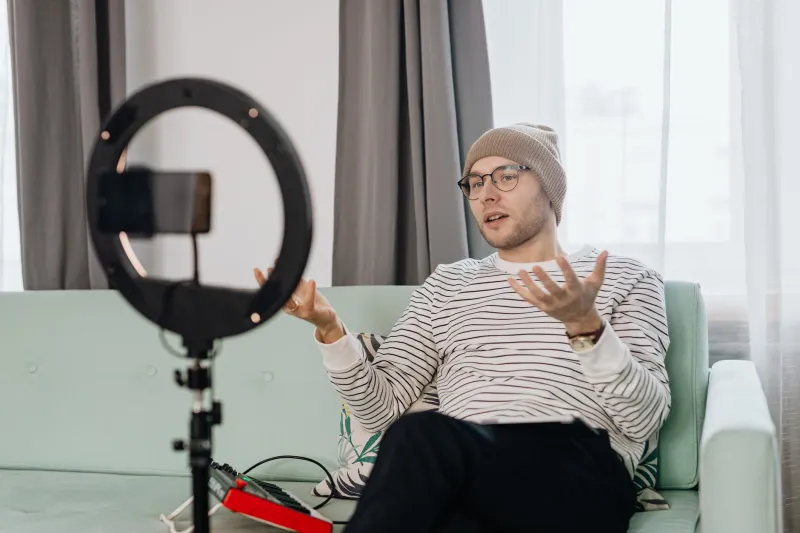
Photo by Photo by Videodeck .co on Unsplash on Unsplash
Let's be honest — the term "parasocial relationship" has become a bit of a buzzword lately, and not always in a fair way. Pop psychology Twitter loves to throw it at fans who feel connected to their favorite creators, as if caring about someone you've never met in person is inherently broken or sad. But here at MauroWorld, we think that framing misses something important: the internet has genuinely changed what connection looks like, and some creators are doing something remarkable with that shift.
So let's dig into what's actually happening when a fan feels seen by someone with a million subscribers — and why that feeling isn't always an illusion.
The Parasocial Myth (and What It Gets Wrong)
The original research on parasocial relationships — going back to sociologists Horton and Wohl in the 1950s — described a one-sided dynamic where audiences develop emotional bonds with media figures who have no idea they exist. Classic TV era stuff. But the digital creator economy has scrambled that model almost beyond recognition.
When a creator responds to your comment at 11pm, remembers a joke from a live stream three months ago, or shouts out a fan's artwork in their newsletter, that's not one-sided anymore. It's imperfect, sure. It's asymmetrical, definitely. But calling it purely parasocial ignores the very real reciprocity that's possible now.
The creators who understand this distinction are the ones building something that actually lasts.
What "Genuine Connection" Actually Looks Like Online
Take someone like Colin and Samir, the YouTube duo who built their audience by documenting the creator economy itself. Their community doesn't just watch — it participates. They've hosted live discussions where fans aren't just passive viewers but active voices in the conversation. The comment sections on their videos read less like a broadcast and more like a group chat.
Or look at how Hank Green has navigated his massive audience across decades of internet culture. He's talked openly about the responsibility that comes with having millions of people who feel like they know you. His approach — being genuinely curious about his audience, sharing real vulnerabilities, and treating fans like intelligent adults — has created a community that feels less like a fanbase and more like a neighborhood.
The through-line in both cases? Intentionality. These creators aren't stumbling into connection. They're building systems for it.
The Strategies That Actually Work
So what separates meaningful engagement from the kind that feels hollow — or worse, exploitative? A few things stand out.
Live interaction is irreplaceable. There's something about unscripted, real-time conversation that no amount of polished content can replicate. Whether it's a Twitch stream, a YouTube Live Q&A, or even a Discord voice chat, the messiness of live interaction signals authenticity in a way that edited videos simply can't. Fans can tell when you're actually thinking versus reading from a script.
Behind-the-scenes access builds trust. When creators share the process — not just the highlight reel — it flattens the hierarchy between creator and audience. Showing a failed take, a messy desk, or a moment of genuine frustration says: I'm not performing for you right now. This is just real. That kind of transparency is magnetic.
Consistent acknowledgment matters more than scale. It's not about responding to every single comment (that's not sustainable at any real following size). It's about making it clear, repeatedly and visibly, that the people in your community are more than a metric. Pinning a fan's thoughtful comment. Featuring community-created content. Asking questions and actually incorporating the answers into future work.
Shared identity creates belonging. The strongest creator communities have their own language, inside jokes, and rituals. Think of the Vlogbrothers' "Nerdfighters" or the specific culture around any long-running podcast's listener community. When fans feel like they belong to something — not just follow someone — the relationship deepens in a way that's hard to manufacture.
Where It Goes Wrong
Of course, not every creator-fan dynamic is healthy, and it's worth being real about that. The line between authentic connection and strategic performance of intimacy is real, and some creators cross it — intentionally or not.
The red flags tend to look like this: creators who manufacture vulnerability without ever showing actual stakes, who use fan loyalty to deflect accountability, or who treat their audience's emotional investment as a resource to extract rather than a relationship to tend. That's when the parasocial label starts to actually apply — not because fans feel connected, but because they're being managed.
The healthiest creator-community relationships have a kind of mutual respect baked in. Fans understand they don't own the creator. Creators understand they have a real responsibility to the people who've invested time, money, and emotion into their work.
Why This All Matters for the Bigger Picture
Here's the thing about the creator economy that doesn't get said enough: it's filling a genuine social void for a lot of people. Loneliness in America is at historic highs. Traditional community structures — churches, civic organizations, even close-knit neighborhoods — have been hollowing out for decades. For a lot of people, especially younger audiences, the communities built around creators are among the most meaningful social spaces they have.
That's not pathetic. That's just the world we live in now.
The creators who take that seriously — who recognize that what they're building is more than content, it's community infrastructure — are doing something genuinely valuable. And the fans who show up for those creators aren't deluded. They're participating in a new kind of social fabric, one that's still figuring out its own rules.
At MauroWorld, we think that's worth celebrating, with clear eyes about the pitfalls and genuine appreciation for what's possible. Because when it works, it's pretty incredible — a person with a camera and a good idea, building something that makes thousands of people feel a little less alone.
That's not a bug in the system. That's the whole point.