Two Is Company, Until It Isn't: What Makes Creator Collabs Soar or Crash and Burn
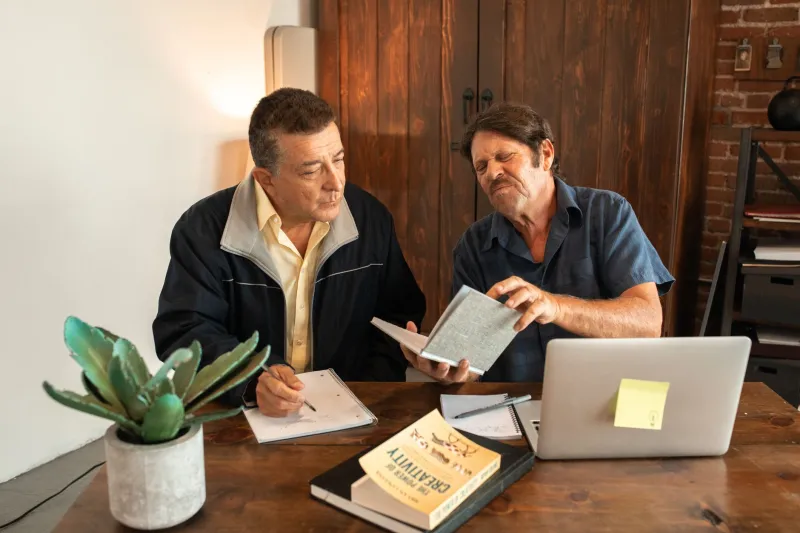
There's a moment in every creator collaboration that fans never get to see. It's not the hype video, the joint podcast drop, or the synchronized Instagram post. It's the conversation — sometimes tense, sometimes awkward — where two creative personalities sit across from each other (or across a Zoom call) and try to figure out whose name goes first in the title card.
That moment tells you almost everything.
Creator collabs have become one of the most reliable engines for audience growth in the digital space. Two established fanbases collide, the algorithm rewards the novelty, and for a few weeks everyone wins. But the difference between a partnership that becomes a genuine creative legacy and one that dissolves into subtweets and vague "taking time for myself" posts comes down to factors most people never discuss publicly.
Let's get into it.
The Myth of "Natural Chemistry"
When a collab works, fans tend to credit it to vibes. "They just get each other," people say, as if great creative partnerships are some kind of cosmic accident. But talk to anyone who has actually built something lasting with another creator, and they'll tell you the same thing: chemistry is real, but it's not magic. It's the result of alignment on things that feel boring to talk about — creative direction, audience expectations, workload distribution, and money.
The partnerships that look effortless on camera usually have a very deliberate structure behind the scenes. Think about how long-running YouTube duos or podcast co-hosts tend to operate. There's almost always an unspoken (or sometimes very spoken) division of labor. One person handles the energy and the face-time; the other handles the structure and the follow-through. When both parties understand their role and respect the other's lane, the output feels seamless.
When they don't? That's when things get loud.
The Contract Nobody Wants to Sign
Here's an uncomfortable truth about the creator economy: most collabs — especially early ones — happen on a handshake. Two people with overlapping audiences decide to make something together, post it, and figure out the rest later. That works fine when the collab is low-stakes. But once there's real money involved, a shared brand identity, or a fanbase that has emotionally invested in the partnership, the absence of clear agreements becomes a ticking clock.
Revenue splits, creative ownership, posting schedules, and exit clauses are all things that thriving creative partnerships address head-on. The ones that flame out? They usually skipped that conversation because it felt awkward or "too formal" for what was supposed to be a fun creative project.
This is where creator partnerships could actually learn something from the entertainment industry's older models. Film production partnerships, music duo contracts, and co-authored book deals all have legal scaffolding that protects both parties and the work itself. More creators are starting to adopt this mindset — bringing in managers or entertainment attorneys before the collab officially launches, not after the first disagreement.
When Ego Does the Math
Let's be real: most creator collabs that blow up don't end because of scheduling conflicts or creative differences. They end because one or both people can't handle the arithmetic of shared attention.
In solo creator careers, every metric belongs to you. Your subscriber count, your engagement rate, your brand deal rate card — it's all yours. The moment you enter a collaboration, those numbers become a conversation. What happens when one person's audience grows faster through the partnership? What happens when a brand deal comes in and one creator is offered more than the other?
Ego management isn't a soft skill — it's a survival skill in collaborative creative work. The partnerships that last tend to involve people who have either already achieved a level of personal security in their careers, or who are genuinely mission-driven about the shared project rather than the individual metrics. When the collab itself becomes the thing you're protecting, rather than your own numbers, the dynamic shifts completely.
Case Study in Contrast: The Slow Build vs. The Quick Burn
Without naming names (because the internet never forgets and we're not here to add fuel to anyone's fire), there's a recognizable pattern to how successful long-term creator partnerships tend to develop versus how fast-burn collabs tend to unfold.
The slow-build partnerships almost always start small. A guest appearance here, a shared project there. The two creators spend time actually getting to know each other's work styles before they commit to anything formal. By the time they launch something together with real stakes, they've already stress-tested the relationship.
The quick-burn collabs, on the other hand, tend to launch at maximum intensity. The announcement is huge, the rollout is everywhere, and the initial numbers are incredible. But because the foundation was built on hype rather than genuine compatibility, the first real pressure point — a creative disagreement, a missed deadline, an audience that starts preferring one creator over the other — cracks the whole thing open.
Knowing When to Walk Away (And How to Do It Without the Drama)
Not every collaboration is meant to last forever, and that's actually okay. Some of the most creatively productive partnerships in entertainment history were finite by design — a limited run, a specific project, a defined season. The problem isn't endings; it's endings that happen without intention.
Creators who navigate collab breakups well tend to do a few things right. They communicate early when something isn't working, rather than letting resentment build until it explodes publicly. They separate the personal from the professional — acknowledging that two people can genuinely like each other and still not be the right creative partners long-term. And they honor whatever the partnership produced, rather than retroactively trashing it to win a narrative.
The ones who handle it badly do the opposite on all three counts. And their audiences, who invested emotionally in the collab, end up feeling like collateral damage.
What the Best Partnerships Actually Have in Common
Strip away the niche, the platform, and the audience size, and the creator collaborations that genuinely build something lasting share a few core traits. There's mutual respect for each other's creative instincts. There's a shared understanding of what the collaboration is for — not just what it produces, but what it means. There's honest communication, even when it's uncomfortable. And there's a willingness to let the partnership be its own entity, separate from either person's individual brand.
That last one is the hardest. It requires a kind of creative humility that doesn't come naturally to people who have built careers on the strength of their individual personalities.
But when it works? When two creators genuinely build something that neither of them could have made alone?
That's when the audience stops watching two people and starts believing in something. And that belief — earned slowly, protected carefully — is what turns a collab into a legacy.