The Realness Illusion: How Your Favorite Creators Engineer Every 'Spontaneous' Moment
There's a moment you've probably experienced more than once. You're watching a creator — maybe it's someone you've followed for years — and they get visibly emotional on camera. They stumble over their words. They talk about a hard week, a rough patch, a moment of doubt. And something in you thinks: this is why I watch this person. Because they're real.
But here's the question nobody wants to sit with: what if that realness is the product?
We're not here to drag anyone. The goal isn't cynicism. But if you spend any real time inside the creator economy — and at MauroWorld, we do — you start to notice a pattern that's worth talking about honestly. The creators who swear they're just being themselves? They're often the ones who've thought the hardest about exactly what "being themselves" looks like on camera.
The Authenticity Arms Race
Somewhere around the mid-2010s, audiences started getting wise to the polished, produced content that dominated early YouTube. The perfect lighting, the scripted jokes, the brand-safe everything — it started feeling hollow. Audiences wanted something that felt closer to a real conversation.
Creators responded. And the smart ones realized pretty quickly that "raw" content wasn't just a vibe — it was a competitive advantage.
Fast forward to now, and authenticity isn't just a tone. It's a genre. There are creators who have built entire empires on the premise of being unfiltered, and many of them are working with content strategists, brand managers, and even therapists who help them figure out which vulnerable moments are appropriate to share — and how to share them in ways that land.
That's not an accusation. That's just the reality of operating at scale.
What "Unfiltered" Actually Looks Like Behind the Scenes
Let's break down a few of the most common "authentic" content formats and what's actually happening under the hood.
The Emotional Confession Video. These are the ones that go viral every few months. A creator sits down, no intro, no music, and just... talks. They're going through something. They wanted to be honest with their audience. The comments fill up with "thank you for being so real" and "this is exactly what I needed to hear."
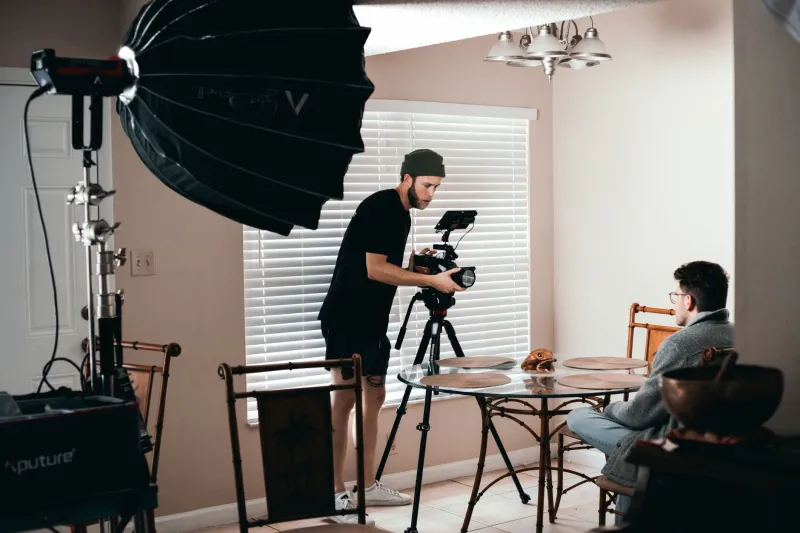
What you don't see: the three takes it took to get the pacing right. The decision to film it at all — because not every hard moment makes it to camera, only the ones that fit the brand narrative. The careful choice of which struggle to share (relatable burnout: yes; a messy legal dispute with a former business partner: probably not).
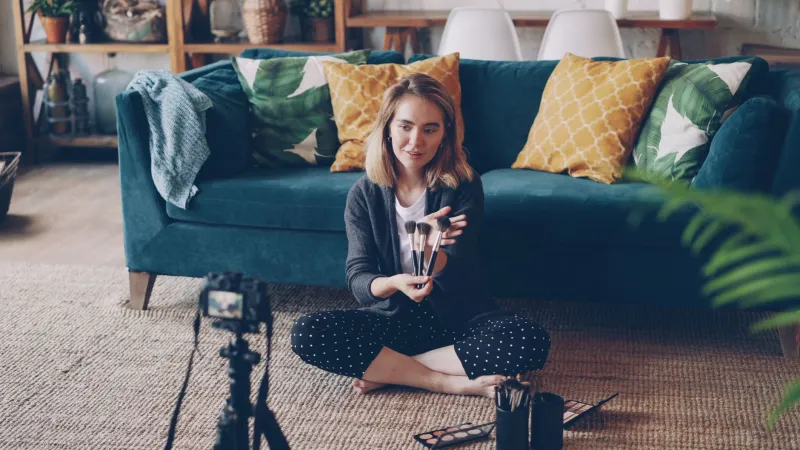
The No-Makeup, Just-Woke-Up Look. This one's almost too easy. "Effortless" appearance content is one of the most heavily produced categories on the internet. Skin prep, strategic lighting adjustments framed as "natural light," and yes — sometimes actual makeup applied to look like no makeup. The goal isn't deception, exactly. It's a specific aesthetic that communicates approachability.
The Hot Take Rant. Creator goes off. No script, just vibes, speaking their truth. Except — and creators have literally admitted this in interviews — many of these are rehearsed. The "I'm just saying what everyone's thinking" energy is often the result of knowing your audience well enough to predict exactly what they want to hear.
So Are Creators Being Fake?
Here's where it gets genuinely complicated, and where we want to push back against the easy cynical read.
Most creators aren't lying to you. The emotions are usually real. The opinions are usually genuinely held. The vulnerability, in many cases, is sincere. What's calculated isn't the feeling — it's the framing of the feeling.
Think about it this way: when you get dressed up for a first date, you're presenting a curated version of yourself. That doesn't mean your personality is fake. It means you're making deliberate choices about how to be perceived. Creators are doing the same thing, just at a scale of hundreds of thousands or millions of people.
The difference — and this is the part that matters — is that creators are often explicitly selling you on the idea that they aren't doing that. The brand promise is "no filter." And that's where the paradox lives.
The Audience Side of the Equation
Viewers aren't passive in this dynamic. There's a reason the authenticity performance works: audiences want to believe it. There's genuine psychological comfort in feeling like you have access to someone's real self, especially when so much of modern life feels mediated and performative.
Creators pick up on this. They're often remarkably good at reading what their audience needs emotionally, and they deliver it. That's a skill. It's also, depending on your perspective, a form of emotional labor that can blur into manipulation — even when the creator's intentions are entirely good.
The most self-aware creators will actually tell you this directly. There's a growing wave of meta-content where creators talk openly about the performance of authenticity, essentially pulling back the curtain on their own curtain-pulling. It's authenticity about authenticity. And yes, that content is also carefully produced.
What Should You Actually Expect?
None of this means you should stop watching the creators you love or assume everyone is running some kind of long con. Most people in this space genuinely care about their communities and are working hard to create something meaningful.
But it's worth recalibrating your expectations. The creator you feel like you know — you probably don't, not fully. You know the version of them they've chosen to share, shaped by platform incentives, audience feedback loops, and yes, strategic intent. That version might be mostly accurate. It might capture something real and essential about who they are. But it's still a version.
The healthiest relationship with creator content is probably one where you enjoy it, you let it move you when it does, and you hold it all just slightly at arm's length. Appreciate the craft of it — because there is craft there, even in the messiest, most "real" moments. Maybe especially then.
The Takeaway
Authenticity in the creator economy isn't dead. But it was never quite what it claimed to be, either. The most successful creators have figured out how to make strategy feel like sincerity, and honestly? That takes real talent.
The next time a creator makes you feel seen with a perfectly timed vulnerable moment, you're allowed to feel that. You're also allowed to appreciate the work that went into making you feel it. Both things can be true at once.
That's the paradox. And in MauroWorld, we think sitting with that complexity is a lot more interesting than pretending it doesn't exist.