Paying to Be Yourself: The Hidden Price Tag on Creator Authenticity (And Who's Actually Cashing In)
There's a running joke in creator circles that goes something like this: the most expensive content to produce is the stuff that looks like it cost nothing. The tearful car confession. The no-makeup morning vlog. The "I almost quit" video filmed on a shaky phone at 2 a.m. Audiences eat it up. Algorithms reward it. Sponsors quietly love it. And the creator? They're often burning through emotional reserves they didn't even know they had.
Welcome to what some in the industry are starting to call the authenticity tax — the invisible cost of performing realness at scale.
The Paradox Nobody Wants to Say Out Loud
Here's the uncomfortable truth: "authentic" content is not unplanned content. The most effective raw moments you've seen from your favorite creators were almost certainly thought about, framed, and — at some level — produced. That doesn't make them fake, exactly. But it does make them work. Hard, sustained, emotionally draining work that most people wouldn't clock as labor because it looks like someone just... talking.
When a creator opens up about their mental health struggles, their failed relationships, or the behind-the-scenes chaos of running their business, they're doing something that requires real courage AND real strategy. Both things are true at the same time. The vulnerability is genuine. The decision to share it — and how to share it — is a calculated one.
The problem? Audiences have largely been conditioned to expect that level of openness for free. And when they don't get it, or when a creator dares to put raw, personal content behind a paywall, the backlash can be swift and brutal.
What 'Realness' Actually Costs
Let's talk specifics. Emotional labor in content creation is real and it compounds over time. A creator who builds their brand around personal storytelling — think the confessional YouTubers who built audiences in the 2010s, or the TikTok personalities who went viral for crying on camera about their quarter-life crises — is essentially agreeing to a contract with their audience. I will keep giving you access. I will keep being open. I will not close the door.
That contract doesn't pay a salary. And it doesn't come with sick days.
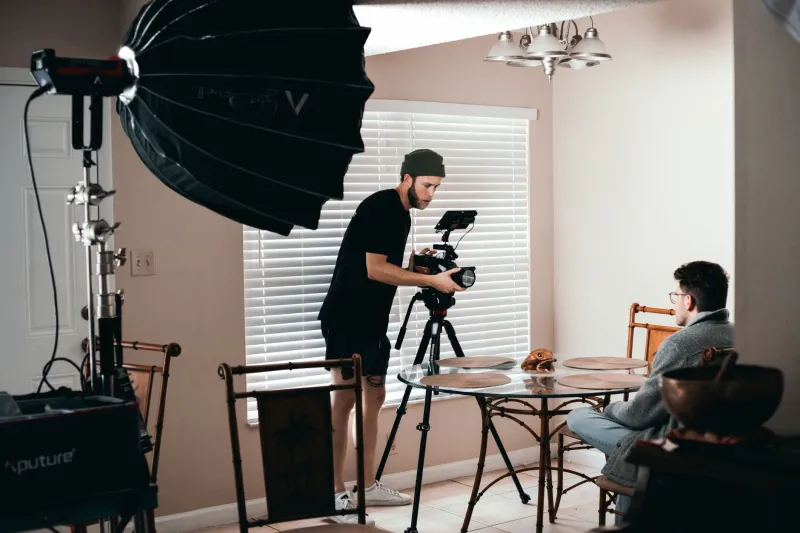
Beyond the emotional dimension, there's the strategic cost. Authentic content still requires editing, thumbnails, captions, posting schedules, and community management. Ironically, the "unfiltered" aesthetic often demands more post-production work to look genuinely unfiltered. Lighting that looks natural takes setup. A casual tone in a caption can take a dozen rewrites to nail.
Then there's the opportunity cost. Time spent making a deeply personal video about burnout is time not spent on a brand deal, a product launch, or a collaboration that might actually move the revenue needle. Authenticity, for many creators, is a long game with uncertain returns.
The Creators Who Figured Out the Cheat Code
So who's actually winning in this economy? A handful of creators have managed to flip the authenticity tax into an authenticity asset — and the way they've done it is worth studying.
The first playbook is the community monetization model. Instead of letting raw content live on free platforms and hoping ad revenue follows, some creators have moved their most personal work to subscriber-only spaces — Patreon, Substack, or private Discord communities. The pitch is simple: if you want the real stuff, you come in here. What's on YouTube or TikTok is the highlight reel. What's behind the paywall is the uncut version. Audiences who are genuinely invested tend to pay for that access, and the creator isn't giving away their most valuable emotional content for free.
The second playbook is brand alignment through values. Some creators have gotten remarkably good at attracting sponsors who specifically want the authenticity angle — mental health apps, wellness brands, financial literacy platforms. These partnerships work because the creator's openness isn't just content, it's context. When someone who has talked publicly about their anxiety recommends a therapy app, the endorsement lands differently than a celebrity reading off a teleprompter. That credibility gap is worth money.
The third — and honestly the most interesting — playbook is turning the meta into the message. A growing number of creators are making content about the cost of being authentic online. They're pulling back the curtain not just on their lives, but on the machinery of their content itself. Videos about creator burnout, about the pressure to overshare, about drawing boundaries with an audience — these perform incredibly well right now because they resonate with both creators and the audience members who consume creator content obsessively. It's authenticity about authenticity. Very 2024.
When Audiences Want Blood and Won't Buy a Band-Aid
Here's where it gets messy. Not every creator who tries to monetize their rawness succeeds, and the failure mode is particularly rough.
Audiences can smell the difference between a creator who is sharing because they genuinely want to connect and one who has figured out that the crying-in-the-car format drives clicks. Once that perception shifts — once the audience decides a creator is performing authenticity rather than living it — the trust collapse is fast and often irreversible.
There's also a class dimension here that doesn't get discussed enough. Creators with existing financial cushions can afford to be selective about which personal moments they share and when. They can take the time to process something before bringing it to their audience. Creators who are financially precarious often feel pressured to share in real time, to use their own chaos as content before they've had a chance to fully understand it. That's a genuinely exploitative dynamic, even when no single bad actor is responsible for it.
And then there's the audience expectation spiral. The more a creator shares, the more their audience comes to expect. Pulling back — setting boundaries, deciding certain things are private — can read as a betrayal even when it's an act of basic self-preservation.
So What's the Move?
If you're a creator navigating this, the honest answer is that there's no clean solution. But there are a few principles that seem to hold up.
First, decide what your floor is before you start. Know which parts of your life are content and which parts are yours. That line is different for everyone, but it needs to exist.
Second, don't give away your most valuable content for free if you don't have to. If your audience genuinely connects with your personal storytelling, that connection has monetary value. There are ethical ways to monetize it that don't require you to commodify your worst moments for ad revenue.
Third, understand that the audience relationship is a negotiation, not a one-way obligation. Your fans care about you, but they're also consumers. You're allowed to shape the terms of what you share and how.
The authenticity economy isn't going anywhere. If anything, it's getting more sophisticated. The creators who thrive in it long-term aren't the ones who share the most — they're the ones who share the most strategically, with a clear sense of what they're giving and what they're keeping. That balance is hard to strike. But getting it right might be the most valuable skill in the game right now.