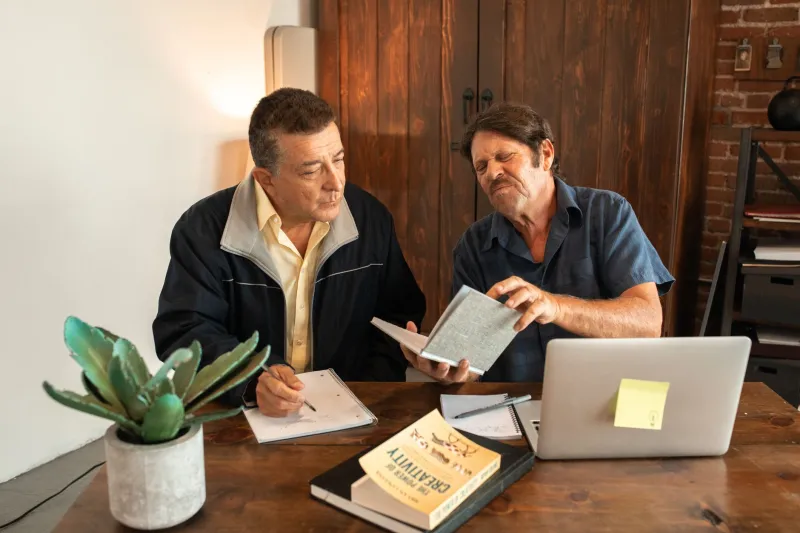
Gone and Back: The Secret Weapon Hiding Inside a Creator's Disappearing Act
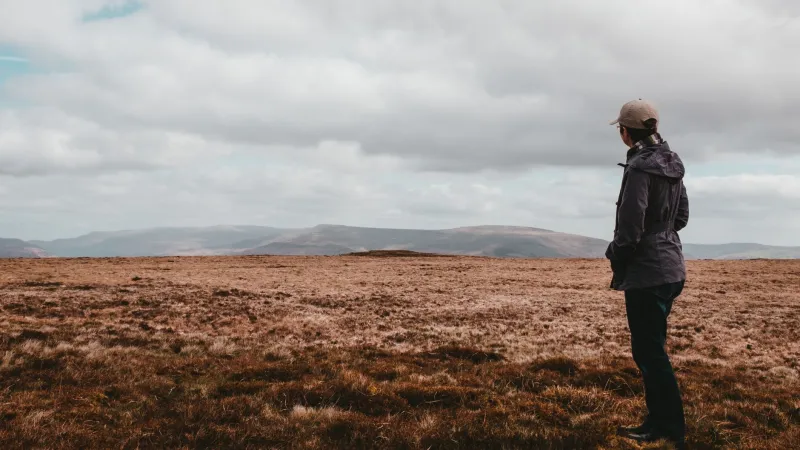
There's a rule that gets hammered into every creator the moment they start building an audience: never stop posting. The algorithm punishes silence. Fans forget fast. Out of sight, out of mind. The grind doesn't stop for anyone.
Except — what if that's only half the story?
Because when you actually look at the landscape of long-term creative careers, a pattern shows up that nobody really talks about. Some of the most remarkable comeback moments in creator history weren't accidents. They were engineered. A calculated step back, followed by a return that hit harder than anything the creator had done before. The disappearing act, it turns out, can be one of the most powerful moves in the playbook.
Why the Internet Fears the Pause
The anxiety around going quiet is real and it makes sense on the surface. Platforms reward frequency. The more you post, the more the algorithm feeds your content to new eyeballs. Miss a week and your engagement dips. Miss a month and your numbers might look genuinely scary.
But here's the thing: metrics and momentum aren't the same thing. Metrics are what the dashboard shows you. Momentum is what lives inside your audience — the emotional investment, the loyalty, the genuine curiosity about what you'll do next. You can tank your metrics temporarily and still keep your momentum completely intact. In fact, done right, stepping away can actually build momentum while you're gone.
Think about how scarcity works in any other creative field. A band that drops an album every eighteen months feels like an event. A band that releases something every four months starts to feel like background noise. The same psychology applies to creators, even if the timelines are compressed.
The Difference Between Fading Out and Stepping Back
Not every absence is a power move, though. There's a real distinction between a creator who quietly fades — posting less and less, going weeks without engaging, slowly drifting out of relevance — and one who makes a deliberate, communicated choice to step away.
The fade is passive. It happens to you, usually because burnout has quietly hollowed out your drive and the content starts reflecting that emptiness. Audiences feel it before they can articulate it. The energy shifts. The work gets mechanical. And then one day you realize you haven't posted in two months and nobody really noticed, which is somehow the worst feeling of all.
The strategic retreat is something else entirely. It's active. You tell your audience what's happening — not necessarily every detail, but enough that they understand this is intentional. You set some kind of expectation, even a vague one. And then you actually use the time to do something: recalibrate your creative direction, develop new skills, work on a project that genuinely excites you, or just recover the part of yourself that made people care in the first place.
One version leaves people confused and indifferent. The other leaves them curious.
What a Real Creative Recharge Actually Looks Like
Creators who've pulled off successful comebacks tend to share a few things in common, and it's worth breaking down what they actually did during their time away.
They stopped consuming their own content. This one sounds obvious but it's harder than it seems. Many creators spend their hiatus obsessively watching their analytics, scrolling through old videos, or doom-checking how their channel is performing. The ones who come back stronger tend to genuinely disconnect — not from creativity, but from the metrics-driven version of themselves they'd become.
They found inspiration outside their lane. A gaming creator who spent a hiatus obsessively watching classic films. A lifestyle vlogger who picked up ceramics. A podcast host who started journaling seriously for the first time. Coming back with a wider frame of reference almost always shows up in the work, even when the creator doesn't explicitly talk about it.
They came back with something specific. The worst comeback is the one where a creator returns and basically says, "hey, I'm back!" with no new direction, no evolved perspective, no reason for the audience to recalibrate their expectations. The best comebacks arrive with a project, a new format, a shifted focus — something that signals growth rather than just resumption.
The Audience Side of the Equation
Here's what's easy to forget when you're deep in creator anxiety: audiences are not passive. They're active participants in a story, and absence creates narrative tension in a way that constant presence simply can't.
When a creator disappears — especially one with genuine community investment — fans start talking. They speculate. They revisit old content. They recommend the creator to people who've never heard of them, partly because absence makes that recommendation feel more meaningful, like they're passing on something rare. The comment sections on old videos become living conversations again.
This isn't guaranteed, of course. It requires that the creator built something real before they left. But if the foundation is there, the absence becomes almost promotional — not through any active effort, but through the simple human tendency to want what we can't currently have.
Coming Back Without Blowing It
The return itself matters as much as anything. A few things tend to separate the comebacks that land from the ones that fall flat.
First, resist the urge to over-explain. A long, emotional video detailing every reason you left can work, but it can also feel like an apology tour that puts your audience in an awkward position. Lead with the work. Show them what changed. Let the content do the talking.
Second, don't try to immediately replicate your old peak numbers. The comeback phase is about reestablishing trust and showing your audience who you are now. Chasing the algorithm the second you're back often produces exactly the kind of content that made you burn out in the first place.
Third, be honest about the evolution. If you left as one kind of creator and you're returning as something slightly different — own that. The audience that's still there after your absence is specifically the audience that cares about you, not just your content format. They can handle the growth.
The Bigger Picture
At MauroWorld, we talk a lot about the long game — what it actually looks like to build something creative that lasts beyond a single viral moment or a hot streak. And the willingness to pause, to step back and recalibrate, is one of the most underrated tools in that long-game strategy.
The creators who are still standing five, ten years into their careers aren't the ones who posted every single day without exception. They're the ones who figured out how to protect their creative energy, evolve their perspective, and return to their audience with something genuinely worth showing up for.
Disappearing isn't failure. Sometimes, it's the setup for the best chapter yet.